Social media continues its rapid evolution, with platform dynamics, content formats, and user behaviors shifting faster than ever. Brands that recognize and adapt to these changes early gain significant competitive advantages. Here are the defining social media marketing trends for 2026 and how to leverage them effectively.
1. Short-Form Video Dominance
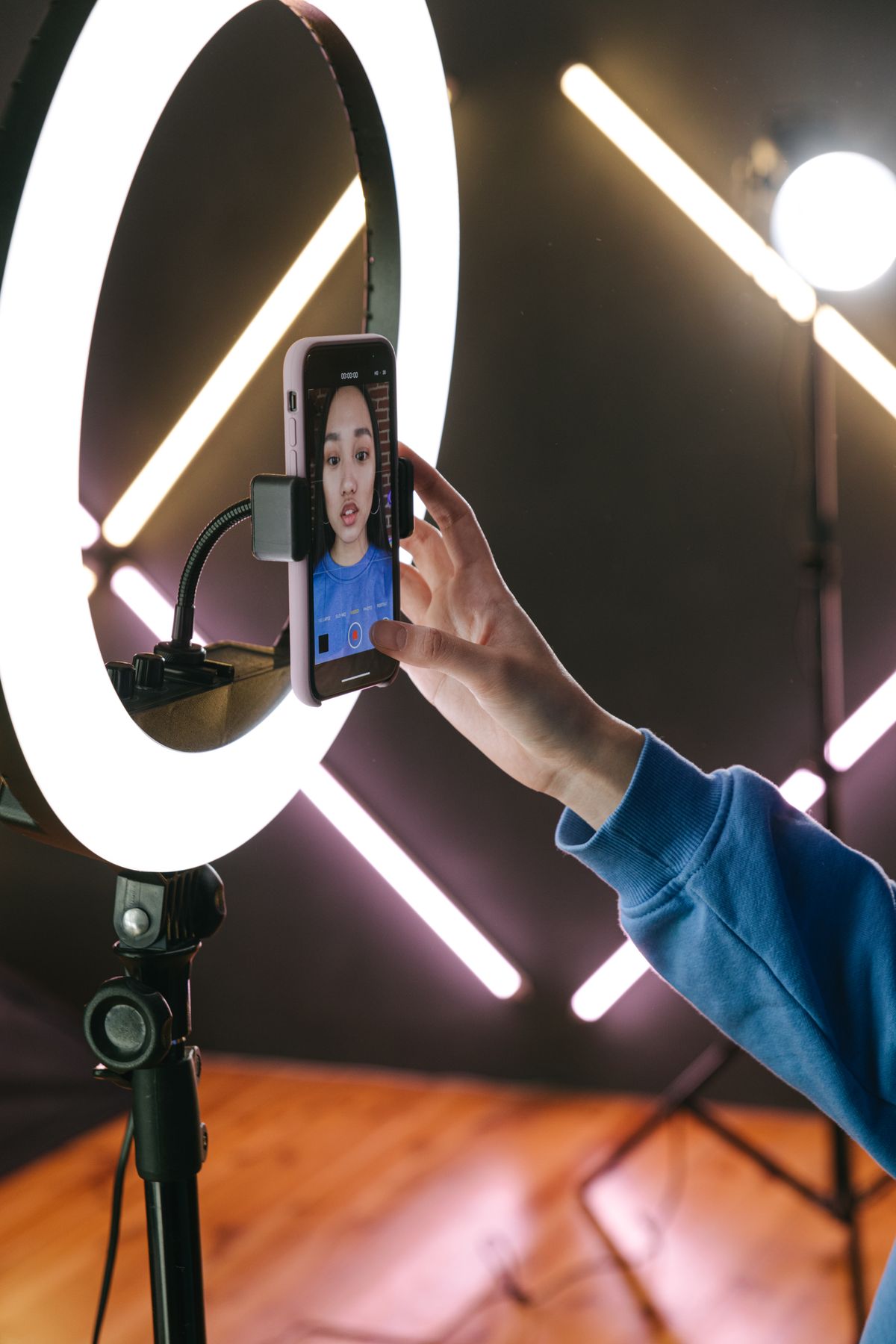
Short-form video isn't just a trend—it's the dominant content format across social media. TikTok, Instagram Reels, YouTube Shorts, and now LinkedIn Video collectively reach over 3 billion daily active users.
Key Statistics
- Short-form videos under 60 seconds generate 2.5x more engagement than longer content
- 82% of all internet traffic is video content
- Users spend an average of 52 minutes daily on short-form video platforms
- Videos with faces receive 38% higher engagement than those without
Implementation Strategy
- Create content specifically for vertical (9:16) viewing—don't repurpose horizontal content
- Hook viewers in the first 1-3 seconds or lose them
- Use native platform features (sounds, effects, stickers) for algorithmic boost
- Post consistently—3-5x weekly minimum per platform
- Embrace authenticity over polish; raw, genuine content outperforms overproduced material
2. Social Commerce Acceleration
The line between social media and e-commerce has effectively disappeared. Social commerce sales exceeded $570 billion globally in 2025, with projections reaching $1.2 trillion by 2028.
Platform Capabilities
- TikTok Shop: Fastest-growing social commerce platform with in-app checkout, live shopping, and creator affiliate programs
- Instagram Shopping: Product tagging, Collections, and Shop tab enable seamless discovery-to-purchase journeys
- Pinterest: Product Pins with real-time pricing and availability, plus Try On AR features
- YouTube Shopping: Product tagging in videos and live streams with integrated checkout
Success Factors
- Reduce friction—every click between discovery and purchase costs conversions
- Use shoppable video content; static product images underperform
- Leverage user-generated content and creator partnerships for authenticity
- Offer social-exclusive products or pricing to drive platform engagement
3. Creator Economy and Authentic Partnerships
Consumers increasingly trust creators over brands. 92% of consumers trust influencer recommendations over traditional advertising, and 61% have purchased based on creator content.
Evolution of Influencer Marketing
- Micro-influencers (10K-100K followers): Deliver highest engagement rates (4-7%) and most authentic connections. CPAs typically 40-60% lower than macro-influencers.
- Nano-influencers (1K-10K followers): Ultra-niche audiences with exceptional trust. Ideal for local businesses and specialized products.
- Employee advocacy: Employee content generates 8x more engagement than brand channels. Structured advocacy programs multiply organic reach.
- Customer-creators: Incentivize customers to create content through UGC campaigns, affiliate programs, and community features.
Partnership Best Practices
- Prioritize audience alignment over follower count
- Allow creative freedom—overly scripted content underperforms
- Build long-term relationships over one-off posts
- Track actual conversions, not just reach and engagement
- Ensure FTC-compliant disclosure in all sponsored content
4. AI-Powered Content Creation and Optimization
AI tools have transformed social media content production, enabling teams to create more content faster while maintaining quality.
AI Applications
- Content Generation: AI creates first drafts, variations, and adaptations across platforms
- Image and Video Creation: Tools like DALL-E, Midjourney, and Runway enable rapid visual asset production
- Caption Optimization: AI tests variations and identifies top-performing copy patterns
- Scheduling Optimization: ML algorithms determine optimal posting times per platform and audience
- Community Management: AI assists with response drafting and sentiment analysis
Human+AI Balance
AI accelerates production but requires human oversight for:
- Brand voice consistency and authenticity
- Cultural nuance and sensitivity
- Strategic direction and creative concepts
- Community relationship building
- Crisis management and real-time decisions
5. Community-Centric Strategy
Building engaged communities delivers more sustainable value than chasing follower counts. Community members become advocates, content creators, and repeat customers.
Community Platforms
- Discord: Rich community features including channels, roles, bots, and events. Ideal for brands with engaged audiences seeking deeper connection.
- Private Facebook Groups: Lower barrier to entry for mainstream audiences. Strong discussion and content sharing features.
- Instagram Broadcast Channels: One-to-many messaging for exclusive updates and behind-the-scenes content.
- Slack/Circle: Professional communities with organized discussions and networking opportunities.
Community Building Tactics
- Provide exclusive value—early access, member-only content, direct brand access
- Empower members to contribute and lead discussions
- Recognize and reward active participants
- Create opportunities for member-to-member connection
- Maintain consistent presence and authentic engagement
6. Social SEO and Discoverability
Younger users increasingly use social platforms as search engines. 40% of Gen Z prefers TikTok and Instagram over Google for discovery.
Optimization Strategies
- Include keywords naturally in captions, bios, and on-screen text
- Use relevant hashtags strategically (5-10 per post, mix of broad and niche)
- Create content that answers common questions in your industry
- Optimize profiles with searchable business information
- Encourage saves and shares—signals that boost search visibility
Implementation Roadmap
Adopting these trends requires strategic prioritization:
- Month 1: Audit current social presence and performance. Identify gaps against trend requirements.
- Month 2: Invest in video production capabilities. Launch short-form video content program.
- Month 3: Implement social commerce features. Enable shoppable content across platforms.
- Month 4: Develop creator partnership program. Identify and engage initial micro-influencer cohort.
- Month 5: Integrate AI tools into content workflow. Train team on effective AI collaboration.
- Month 6: Launch community initiative. Choose platform and develop launch content calendar.
Social media success in 2026 requires embracing video, enabling commerce, partnering with creators, leveraging AI, and building communities. Brands that execute across these dimensions will capture disproportionate attention and engagement.